
Essays
When Infrastructure Grows but Opportunity Does Not
Why Productive Capacity Does Not Automatically Become Social Mobility
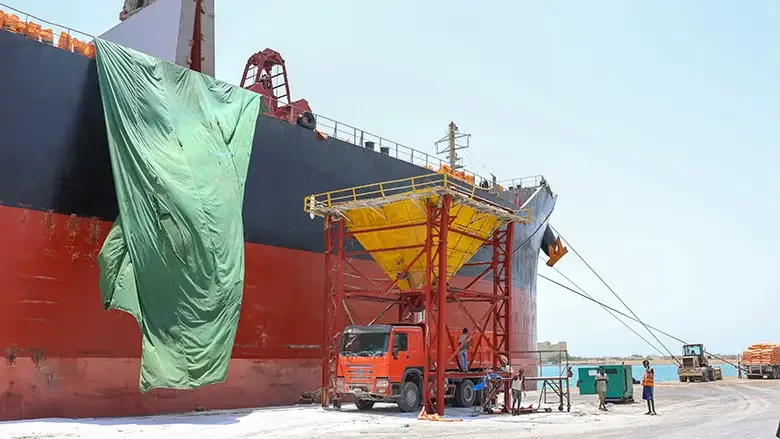
Port infrastructure in Djibouti, associated with the World Bank’s work on skills development and pathways from training to employment. The image reflects the essay’s focus on how productive infrastructure becomes — or fails to become — wider social and economic opportunity. Image source: World Bank Group. Used by Cognitra Group with permission confirmed by World Bank Pubrights.
Infrastructure can expand what an economy is capable of without widening who can convert that capacity into secure livelihoods, occupational mobility or durable social position.
Drawing on Cognitra Group’s Civilizational Transformation & Social Recomposition Framework, this essay examines the institutional pathways that connect infrastructure, skills, employment, firm participation and capability accumulation — and the conditions under which productive expansion becomes socially convertible.
It asks a development question that extends beyond whether infrastructure creates jobs: who can enter, progress, accumulate capability and build a stronger position because the infrastructure exists?
What Becomes Scarce Next?
How Transformations Change What Matters, Who Can Convert It — and Who Controls the Next Gate

LUMI supercomputer infrastructure, Kajaani, Finland. The image reflects the essay's central question: as digital capabilities become more widely available, which underlying resources, infrastructures, and forms of control become newly consequential? Photograph used with permission of the European Commission Audiovisual Service. © European Union, 2024/Alessandro Rampazzo.
Major transformations do not simply introduce new technologies or capabilities. They can change what remains scarce, which expertise and resources retain value, who can turn new capabilities into advantage, and where new forms of dependence and control emerge.
This essay introduces Cognitra Group’s Civilizational Transformation & Social Recomposition Framework and uses it to examine a broader question: when a transformation makes something easier, cheaper or more widely available, what becomes scarce next?
Rather than assuming that technological change automatically produces a new social order, the essay distinguishes temporary disruption from deeper social recomposition — durable changes in the resources, pathways, institutions and control relations through which advantage, security and power are produced and reproduced.
When Education Survives But Relevance Declines
Why Institutional Continuity Does Not Guarantee Social Alignment
Second Edition (2026)

Educational transformation requires more than technological adoption. It requires the continuous alignment of institutions, governance, knowledge systems, and learner participation with changing societal realities. Photograph courtesy of the African Union Commission. Used with permission.
This second edition of When Education Survives but Relevance Declines incorporates an authorised classroom photograph provided by the African Union Commission following Commissioner Gaspard Banyankimbona’s permission for its educational use. The image captures an important moment where governance, educational leadership, technological adoption, and learner participation converge, complementing the essay’s exploration of institutional continuity, adaptive realignment, participation capacity, and the Post-Industrial Knowledge Architecture (PIKA) framework.
When Education Survives But Relevance Declines
Why Institutional Continuity Does Not Guarantee Social Alignment

Educational institutions can remain present while participation, dignity, and relevance become unevenly distributed. Image © Olga Yastremska / iStock.
Educational institutions are often evaluated by their continuity: schools remain open, curricula persist, examinations continue, and credentials are issued.
Yet institutional survival does not necessarily indicate institutional alignment.
This essay examines how educational systems can remain structurally intact while becoming progressively disconnected from evolving social realities, labor-market conditions, technological change, and the developmental needs of learners. Using the Post-Industrial Knowledge Architecture (PIKA), it explores the growing tension between educational continuity and societal relevance.
When Conservation Works but Livelihoods Fail
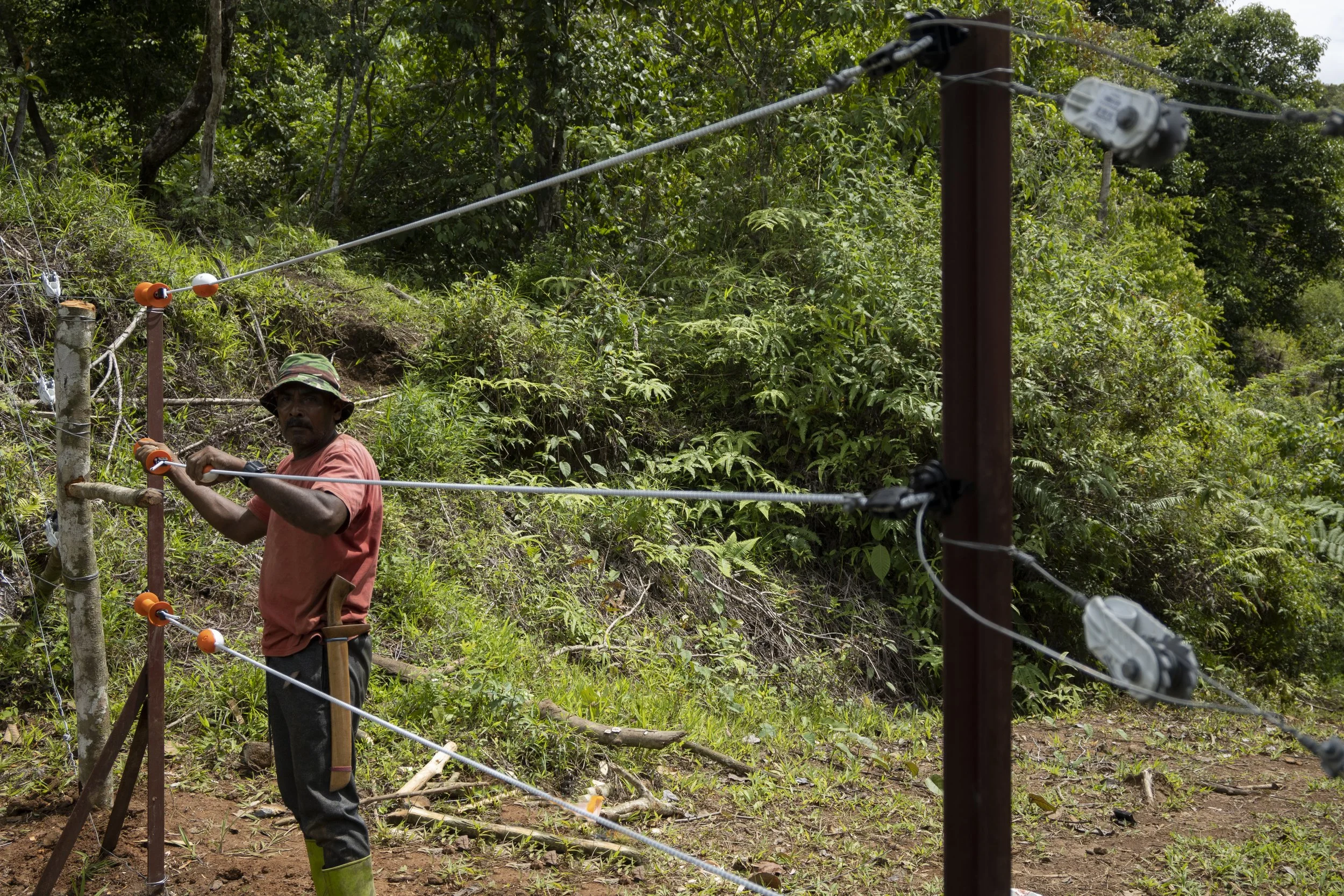
This essay examines a central contradiction in environmental governance: conservation can protect ecosystems and generate value, even as nearby communities continue to face restricted access, limited livelihood alternatives, and unequal benefit distribution. It uses the Power–Resource–Livelihood System to show how power, access, and value shape environmental outcomes and human responses.
Migration Does Not End at Arrival
Arrival Under Authority — The Price of the Promise
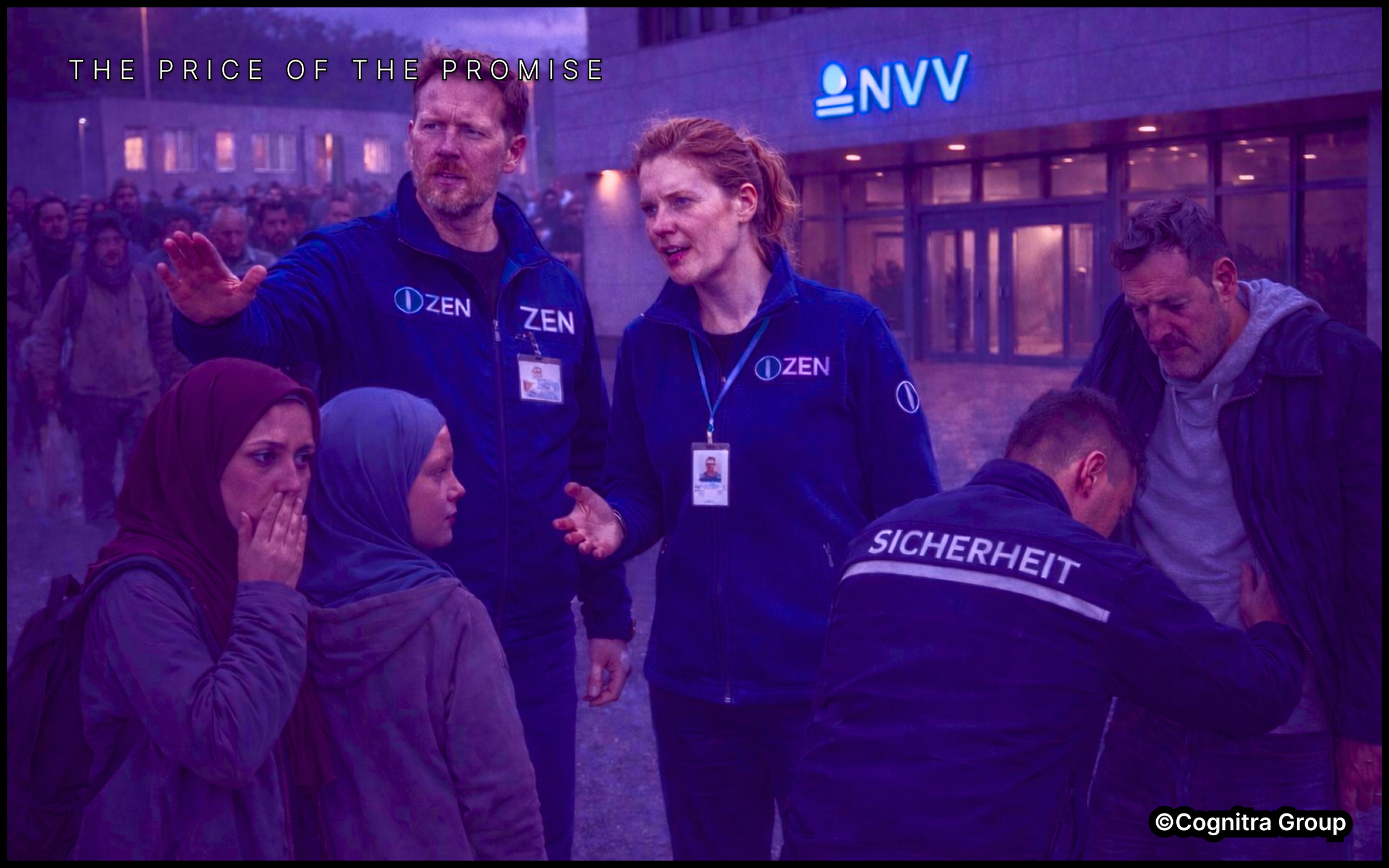
Migration is often discussed through policy, statistics, or outcomes.
But its deeper dynamics emerge when examined as a lived and structural transformation.
The following essay extends one of our core frameworks by interpreting migration beyond movement — focusing on how arrival initiates processes that reshape identity, power, and belonging over time.
An interpretive essay examining migration as an ongoing transformation rather than a completed journey.
It explores how institutional systems, family dynamics, and psychological processes continue to shape outcomes long after arrival — redistributing expectations, roles, and identities across time.