
Visual Models
Structured representations of complex ideas — designed for clarity, transferability, and application.
Visual Models are not illustrations. They are structured systems of thinking.
Each model captures how ideas are designed, translated, and applied — and where they succeed or fail.
These models are part of Cognitra Group’s work in building knowledge that can move across institutions, disciplines, and audiences.
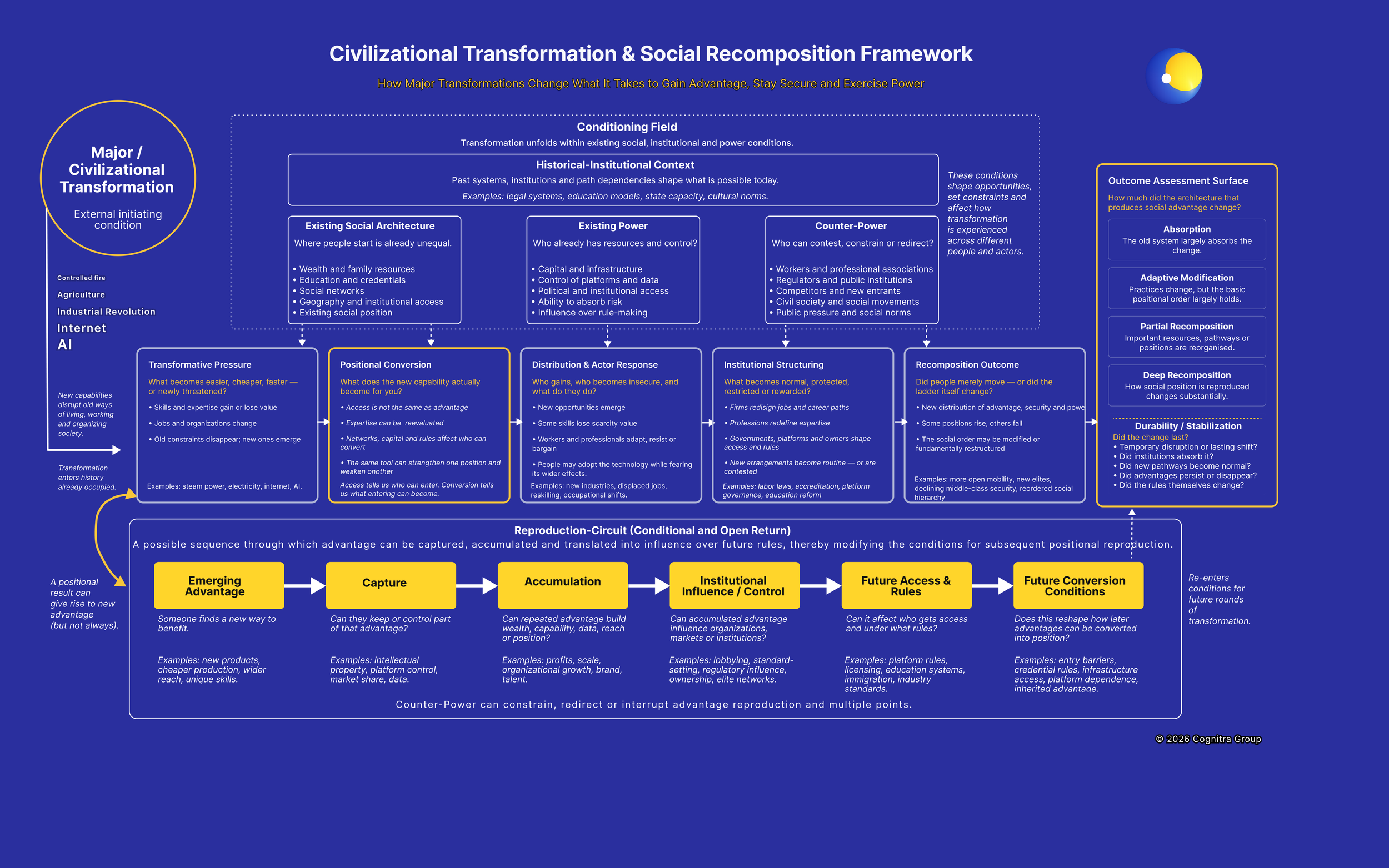
Civilizational Transformation & Social Recomposition Framework
A systems framework showing how major transformations reshape scarcity, resource value, conversion pathways, institutions, and the reproduction of social position. It distinguishes temporary disruption from deeper social recomposition and traces how emerging advantage may feed back into future access, rules, and power.
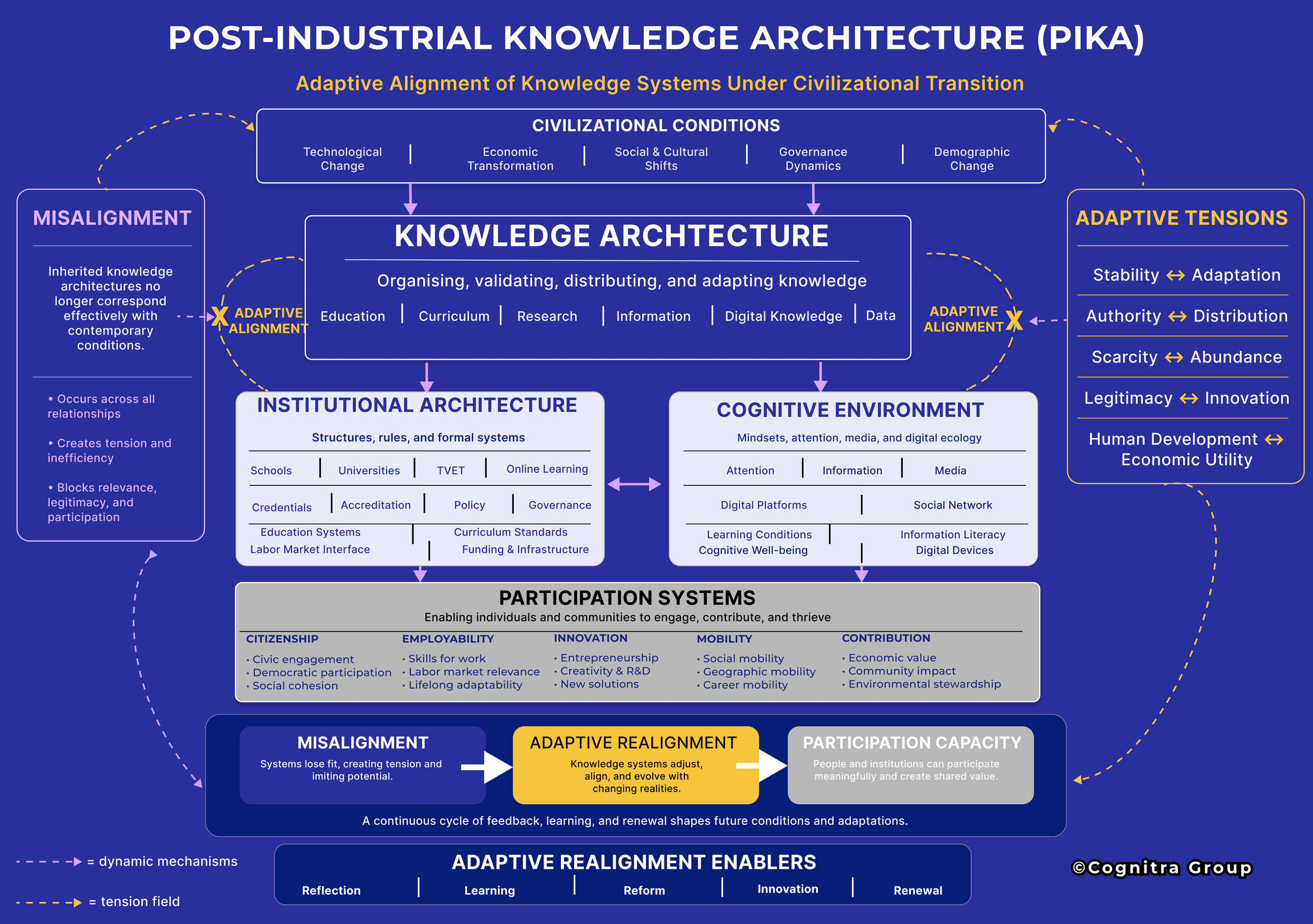
POST-INDUSTRIAL KNOWLEDGE ARCHITECTURE (PIKA)
A systems framework illustrating how knowledge architectures adapt to changing civilizational conditions and how adaptive realignment influences participation capacity across society.
Diagram Introduction
The PIKA framework visualizes the relationship between:
Civilizational Conditions
Knowledge Architecture
Institutional Architecture
Cognitive Environment
Participation Systems
Adaptive Tensions
The framework examines how knowledge systems respond to environmental pressures, manage adaptive tensions, and support meaningful societal participation.
Diagram Highlights
Civilizational Conditions
Technological, economic, social, governance, and demographic forces shaping society.
Knowledge Architecture
The central system through which societies organize, validate, distribute, and adapt knowledge.
Adaptive Realignment
The mechanism through which knowledge systems respond to changing realities.
Participation Capacity
The framework’s ultimate societal outcome.
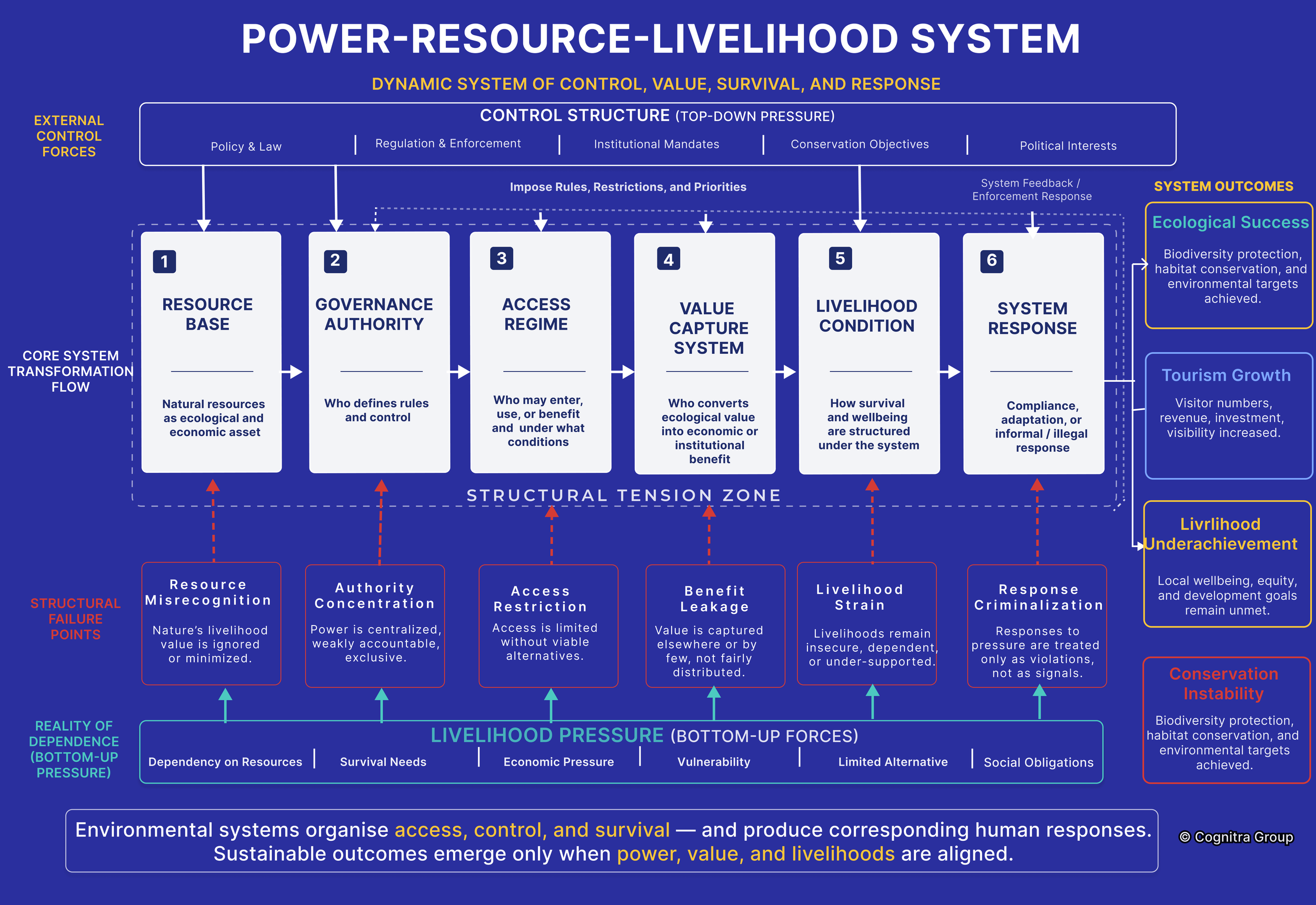
The Power–Resource–Livelihood System
This visual model maps how resource control, governance authority, access regimes, value capture, livelihood conditions, and system responses interact inside environmental governance systems. It makes visible the structural tension between top-down control, bottom-up livelihood pressure, and the outcomes produced when power, value, and survival are misaligned.
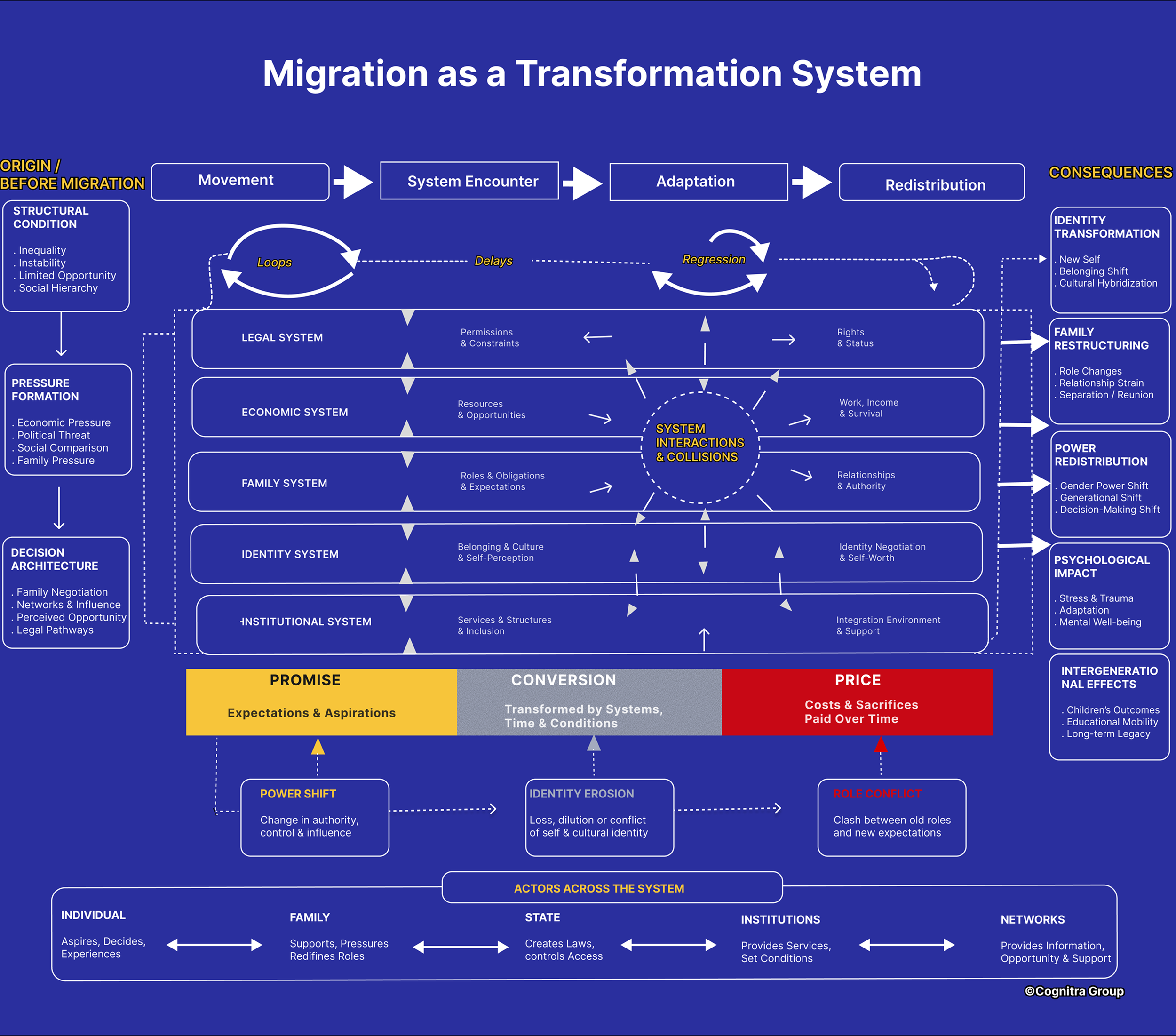
Migration as a Transformation System — Conceptual Framework Diagram
This diagram presents migration as a structured transformation system rather than a linear movement.
It maps the progression from pre-migration conditions through movement, system encounters, and adaptation, to the redistribution of outcomes across individuals, families, and generations. The model highlights how legal, economic, institutional, relational, and identity systems interact simultaneously to reshape expectations and produce uneven consequences over time.
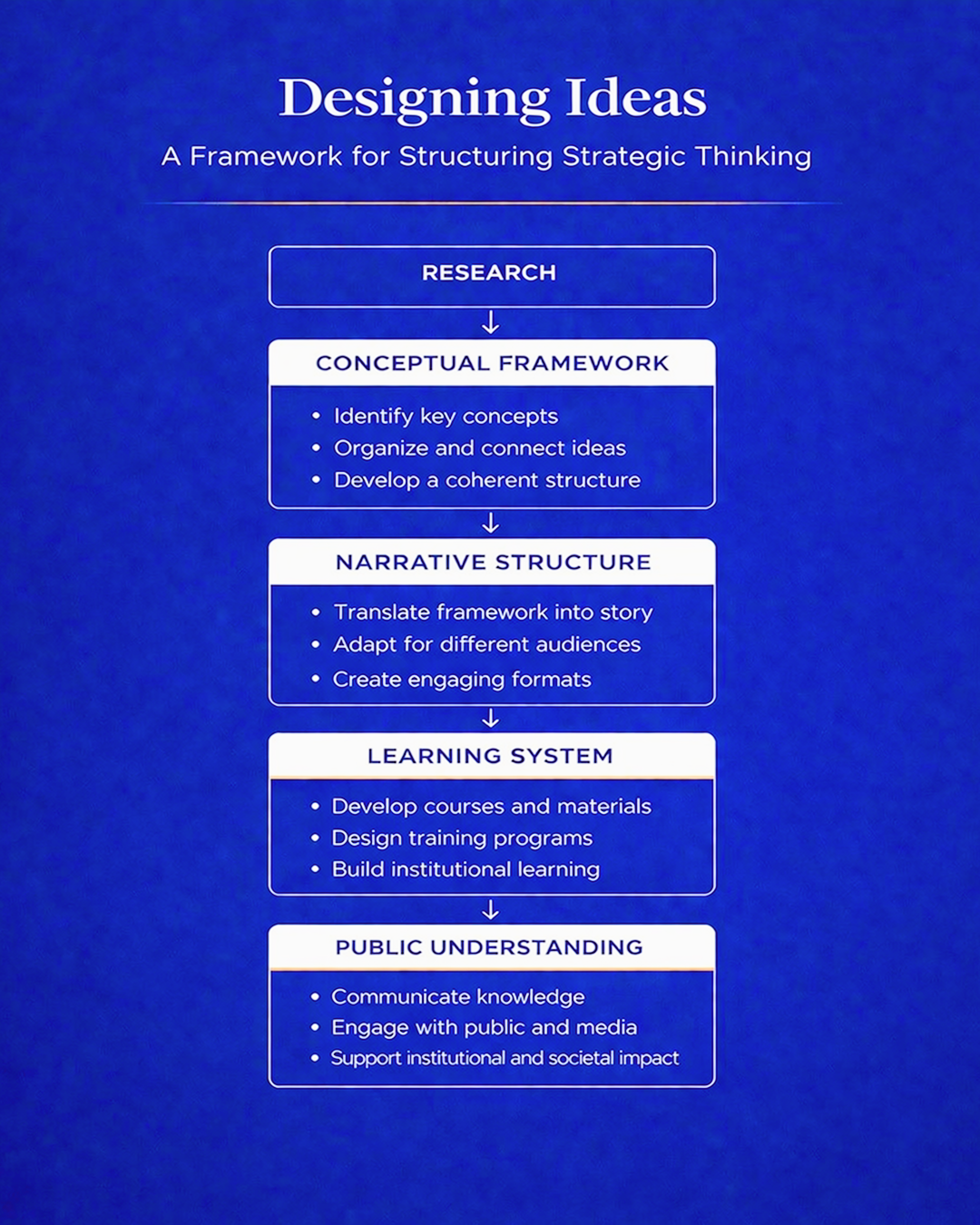
Designing Ideas
A foundational framework showing how research is transformed into structured knowledge, learning systems, and public understanding.
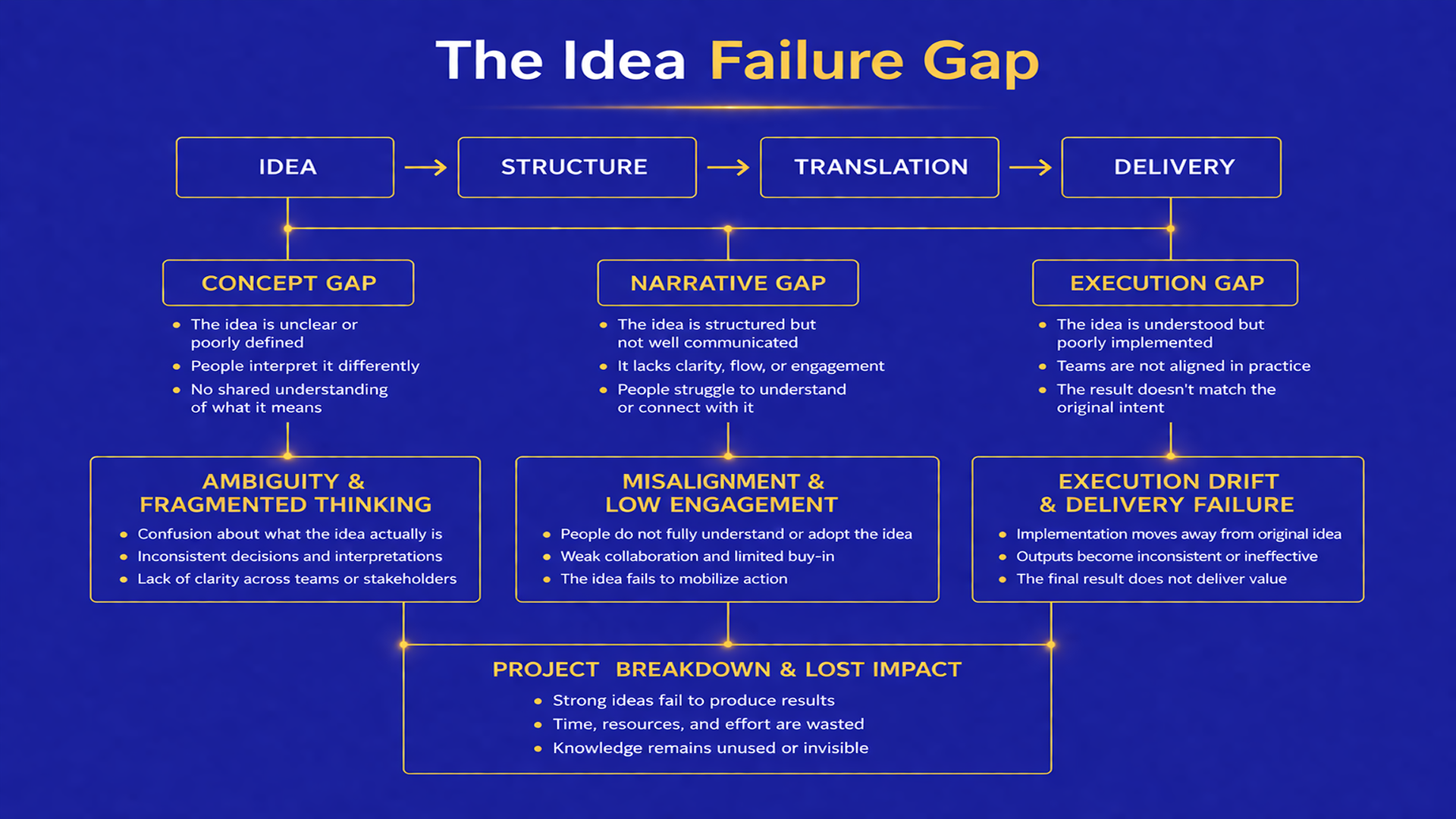
The Idea Failure Gap
A structural model explaining where ideas break down between concept, translation, and execution — and why impact is often lost.
When Infrastructure Grows but Opportunity Does Not — Djibouti Port
This photograph accompanies Cognitra Group’s essay When Infrastructure Grows but Opportunity Does Not. It captures the tension at the centre of the essay: infrastructure can expand productive capacity without automatically widening the pathways through which people, firms and communities convert that capacity into secure livelihoods, mobility and durable social position.
Read through Cognitra Group’s Civilizational Transformation & Social Recomposition Framework, the image directs attention beyond the visible asset itself — the ship, machinery and port infrastructure — toward the less visible architecture of skills, access, institutional pathways, capability accumulation and control that determines who is positioned to benefit from development.
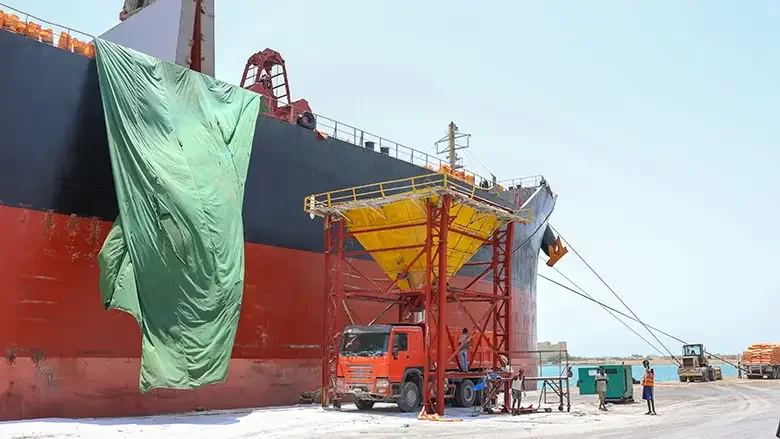
Djibouti port infrastructure. The image reflects the essay’s central question: when productive capacity expands, who can convert the new possibilities into capability, livelihood, mobility and durable position? Image source: World Bank Group. Used by Cognitra Group for non-commercial editorial use with permission confirmed by World Bank Pubrights. The World Bank Group authorises the use of this material.
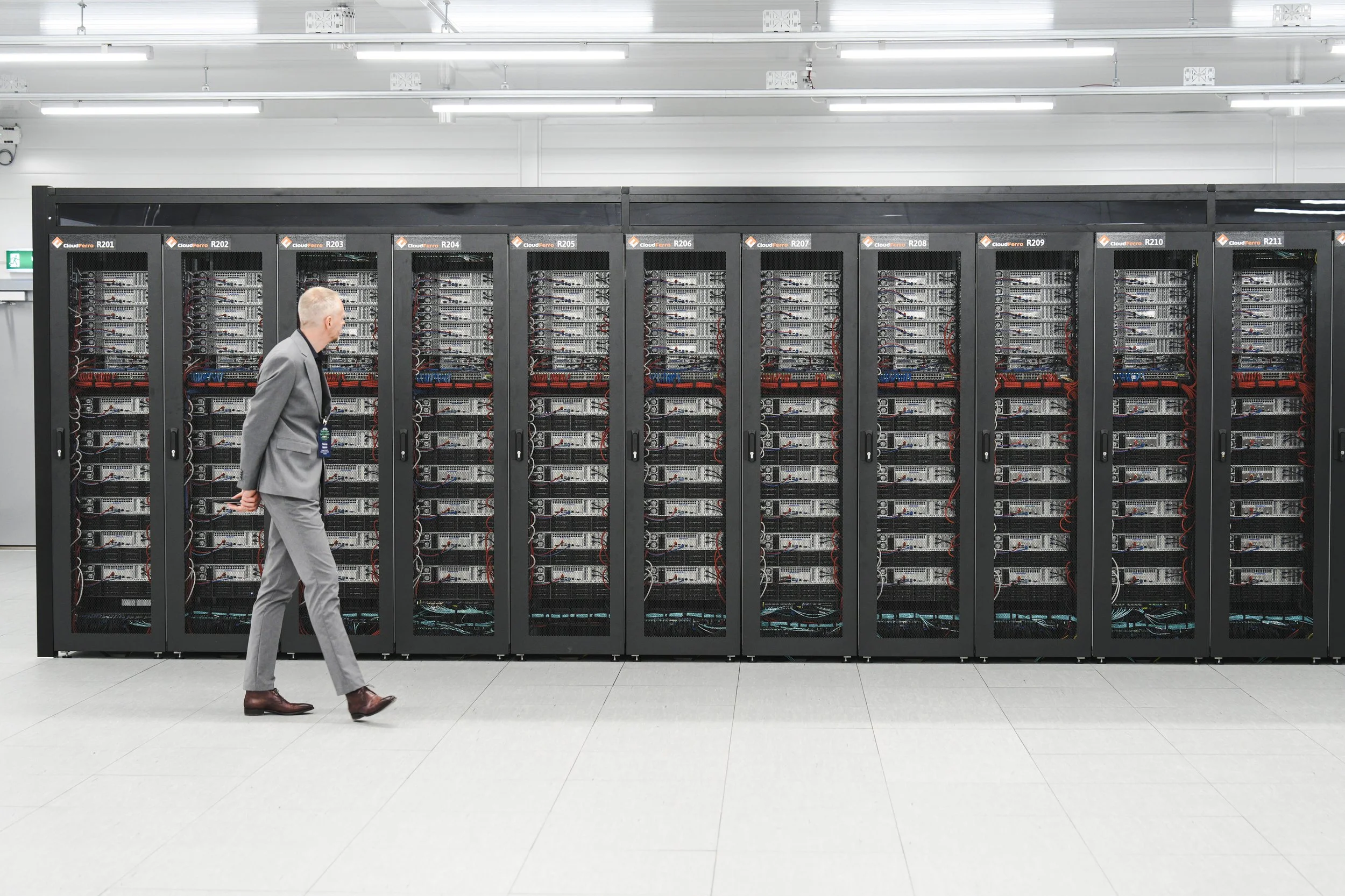
What Becomes Scarce Next? — LUMI Supercomputer
This photograph accompanies Cognitra Group’s essay What Becomes Scarce Next? It illustrates a central tension explored in the essay: expanding digital and AI capabilities may depend on physical infrastructure, energy, technical systems, and institutional resources that remain scarce, concentrated, or strategically consequential.
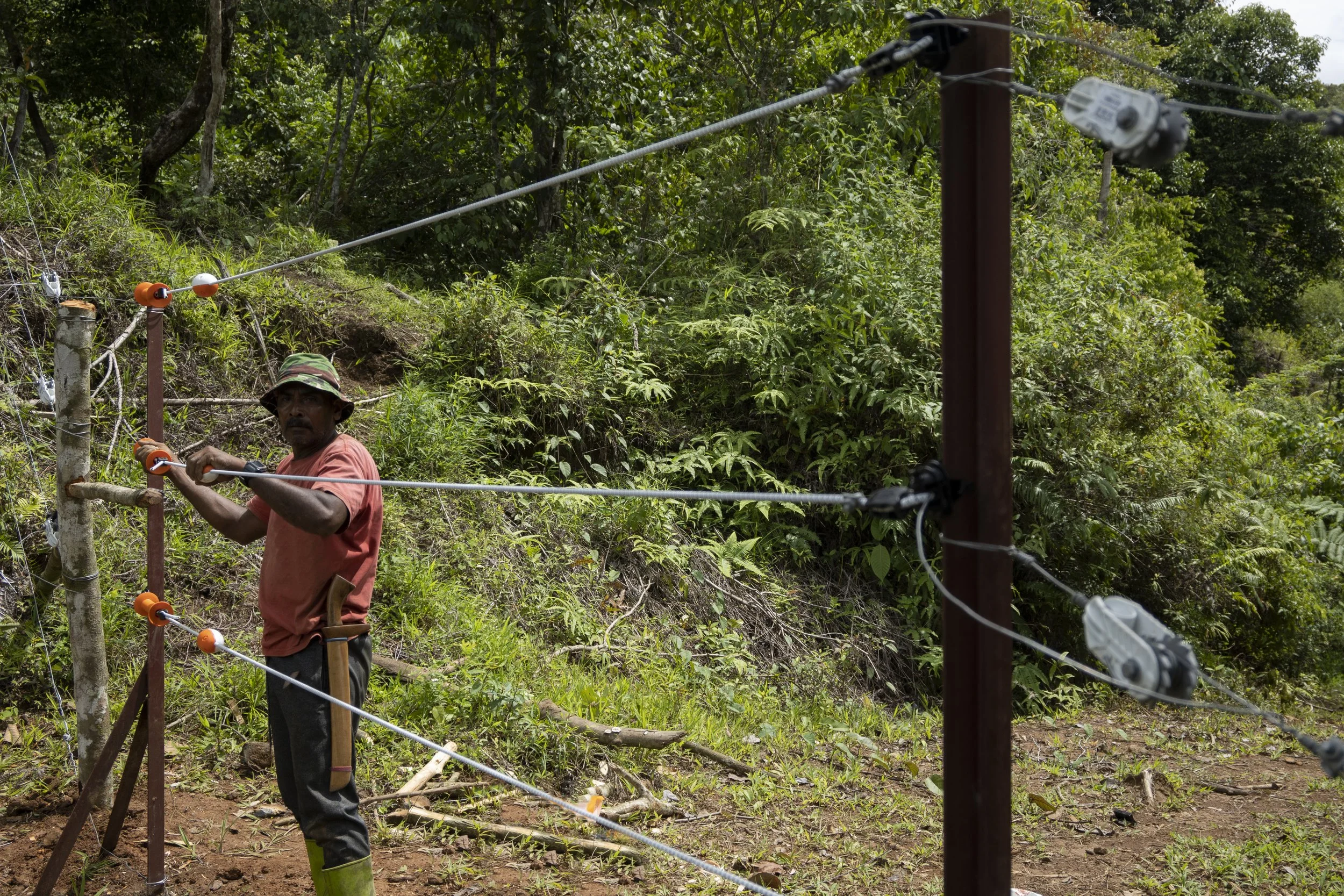
When Conservation Works but Livelihoods Fail — Cover Image
This cover image visually introduces the essay’s central problem: conservation boundaries may protect ecological systems while also reorganizing access, authority, and livelihood pressure for nearby communities. It anchors the essay’s argument that environmental sustainability depends not only on protection, but on the alignment of power, value, and survival.
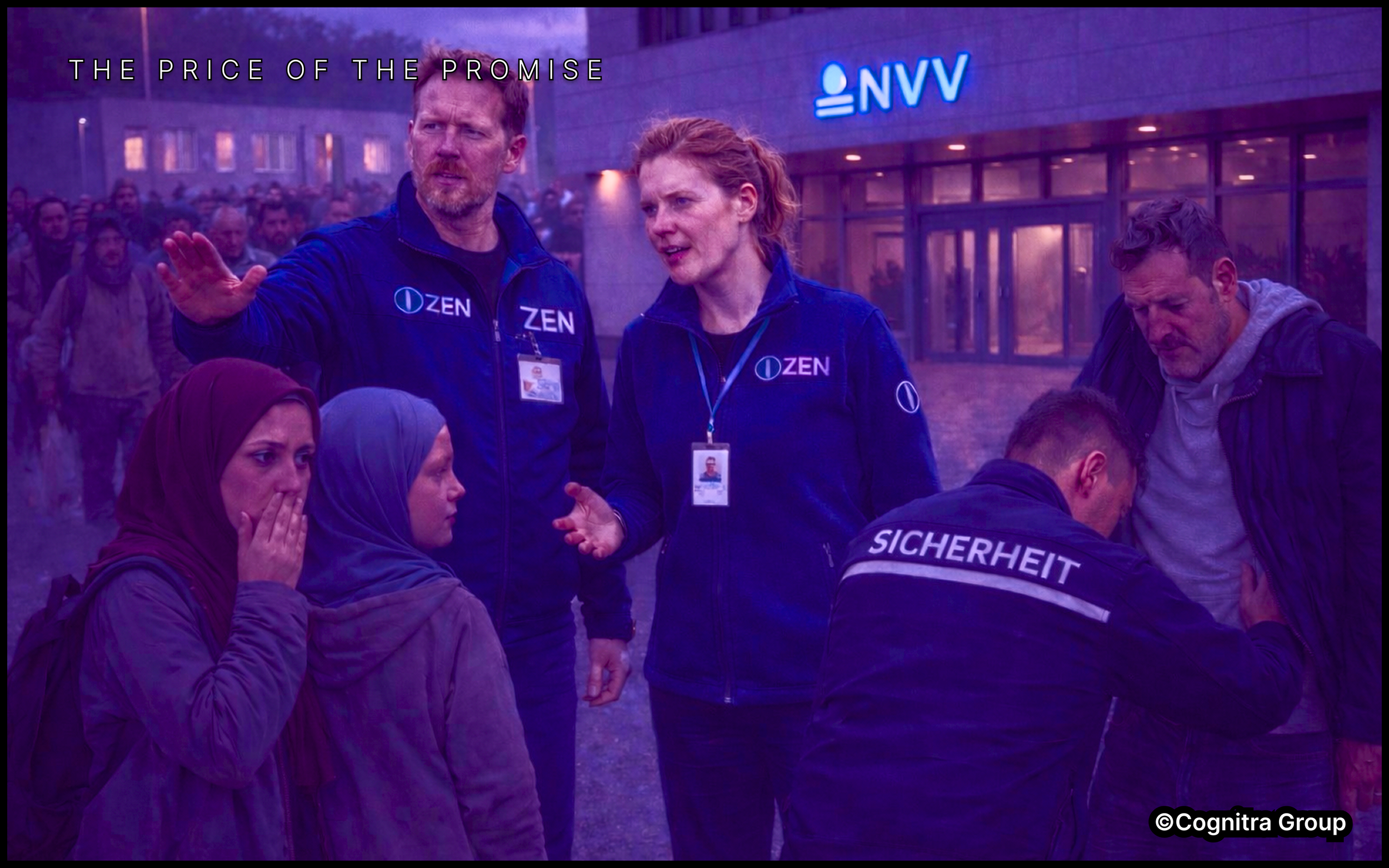
Arrival Under Authority — The Price of the Promise
This image depicts arrival within a controlled reception environment, where migration transitions from movement into structured institutional exposure. It captures the moment in which legal authority, administrative systems, and social mediation intersect with individual vulnerability, revealing how dignity, power, and identity begin to be reorganized at the point of entry.
Within this scene lies an underlying dynamic explored in Cognitra Group’s broader work: the price of the promise — the idea that expectations driving migration are not fulfilled directly, but are transformed through the systems they encounter, often producing costs that unfold over time.
When Education Survives but Relevance Declines — Cover Image
This image depicts a child participating in a classroom activity while simultaneously carrying a label of exclusion.
At the surface level, the image appears to portray an instance of social stigma within an educational setting. At a systems level, however, it illustrates a deeper institutional question: whether participation within a system necessarily produces belonging, recognition, or developmental opportunity.
Within the Post-Industrial Knowledge Architecture (PIKA), the image symbolizes a condition in which educational structures remain operational while meaningful participation becomes unevenly distributed. The classroom survives, but alignment between institution and participant weakens.
The image therefore serves as a visual metaphor for one of the central challenges explored throughout Cognitra Group’s work: preserving institutional continuity while maintaining relevance, legitimacy, and human inclusion.
Related Essay

Educational institutions can remain present while participation, dignity, and relevance become unevenly distributed. Image © Olga Yastremska / iStock.
Educational Transformation in Practice
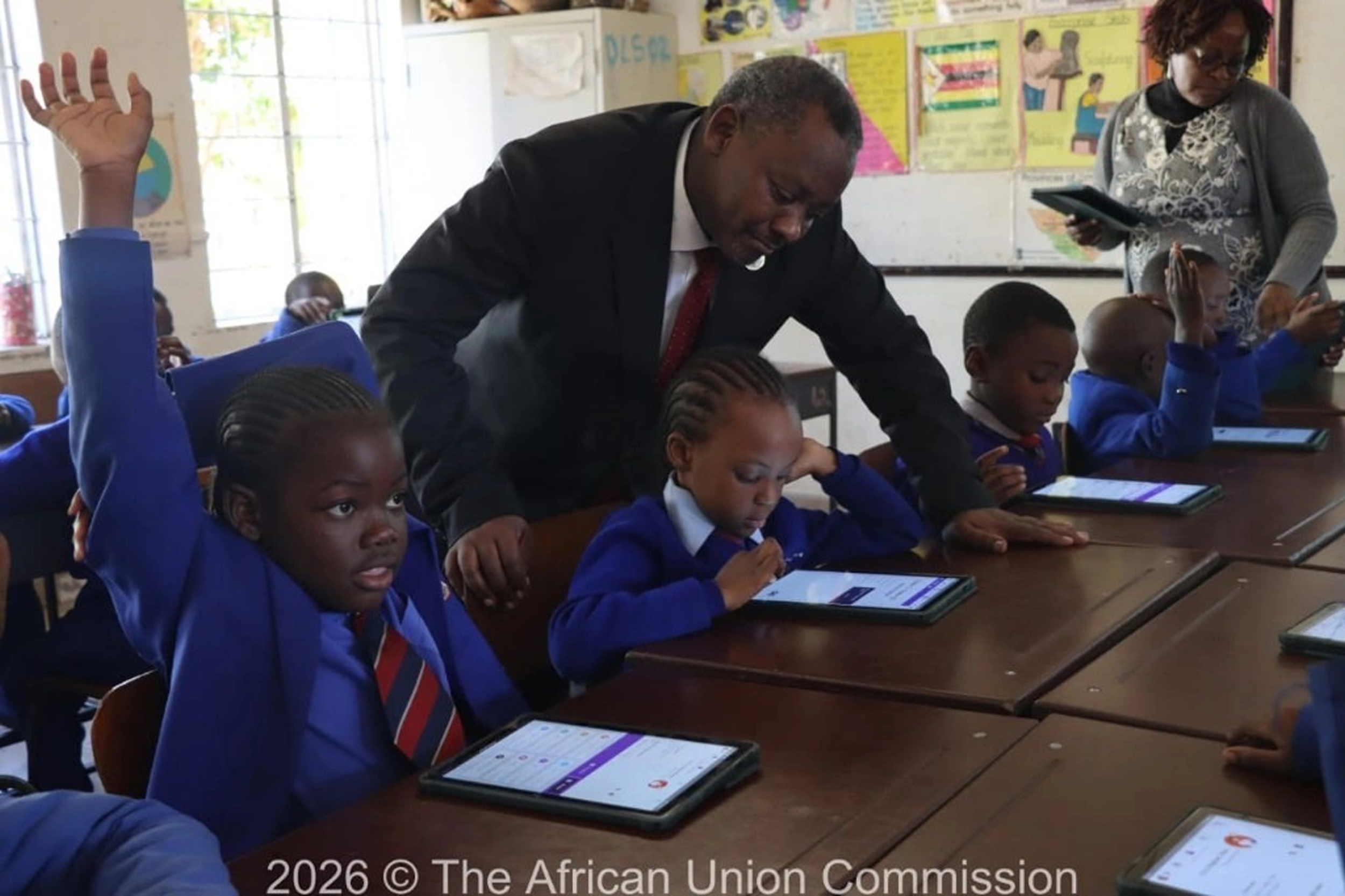
Educational transformation requires more than technological adoption. It requires the continuous alignment of institutions, governance, knowledge systems, and learner participation with changing societal realities. Photograph courtesy of the African Union Commission. Used with permission.